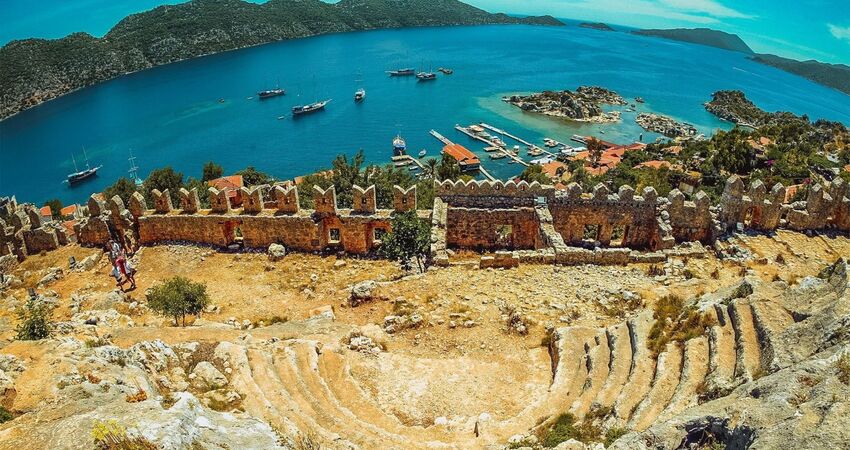
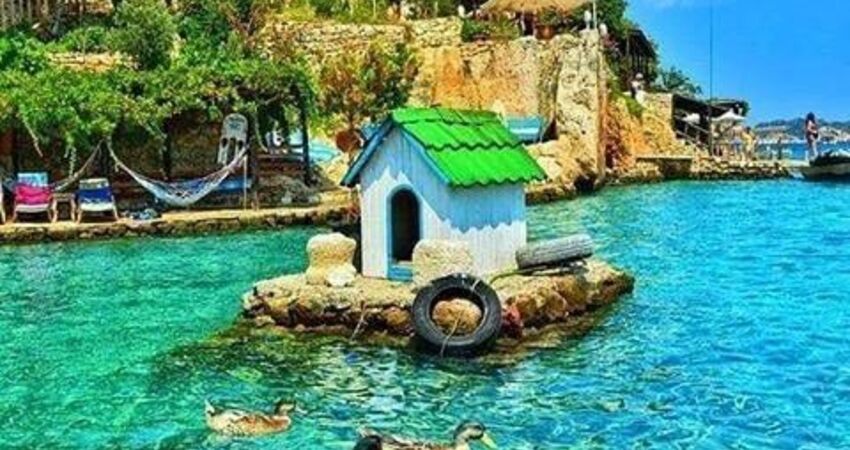
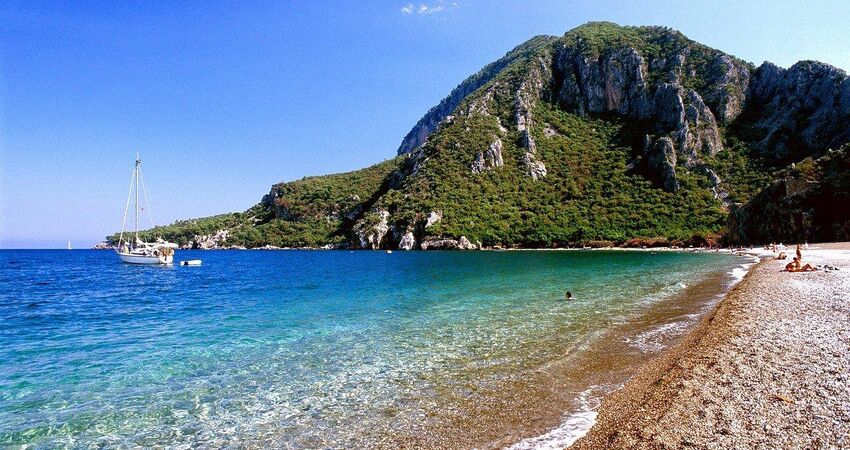
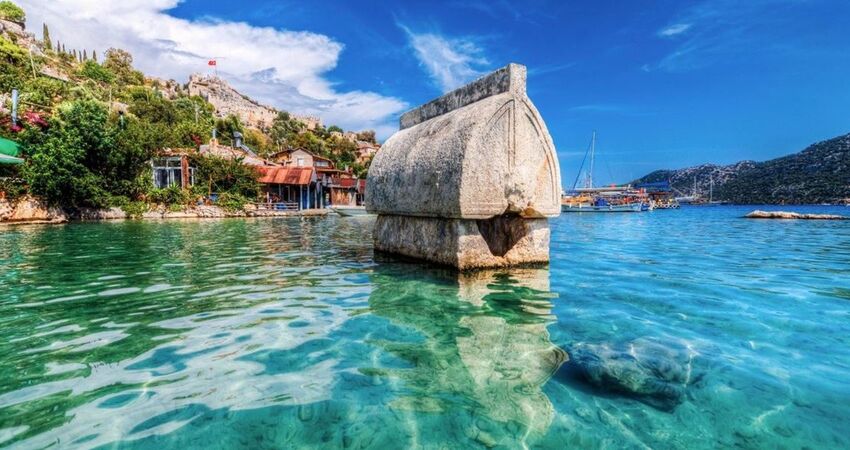
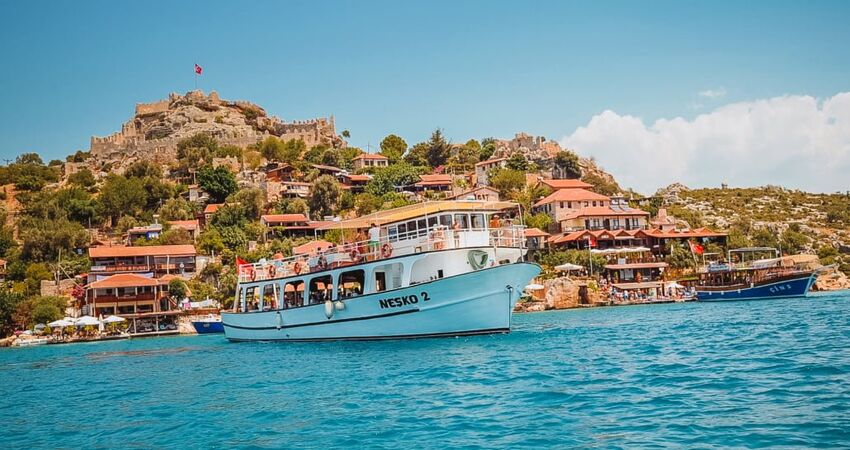
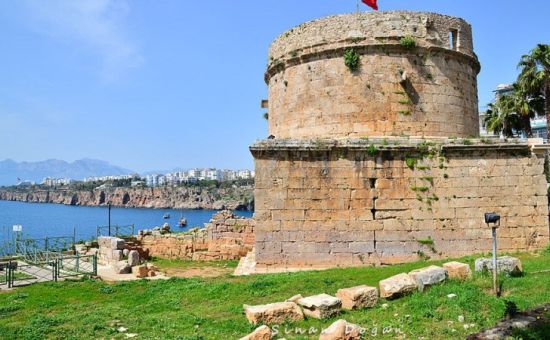
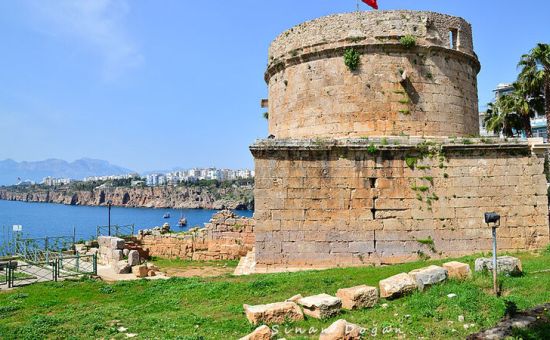
Kekova & Simena - If you are looking for the crystal clear sea, shades of blue in the sky and in the water, endless small bays for swimming, castles, the ancient ruins on land and in the sea, sarcophagusâ all around the land and the sea, the fisherman villages and countless other beauties that can not be listed here; The answer is KEKOVA; a feast for the eye to behold The name of the island of Kekova is now used as the general name of all the sites in the same bay. It is easily seen that the whole area had been heavily populated in the antiquity from the ruins and other artifacts lying about. Now, it is one of the most attractive picturesque yacht / boat tour locations. Boat tours start from Ã?ayagzi (Andriace; the ancient harbor of Myra), Ãoçagiz (Teimiussa) or Kas (Antiphellos). Where ever they start, you sail along the Kekova Island and zigzag across the blue waters between the land and the island, around the small peninsulas and in and out of beautiful bays. Throughout the area often there are structures half under the water as a result of the earth quakes. This has caused it to be called the Sunken City. Indeed one comes across houses, temples, staircases, half under the water as you cruise along the coast of the island and of the mainland land. The fisherman village of Kale (Simena in the antiquity) with its citadel, of which some of the walls are from the Hellenistic period, at the top, like a crown, It reminds one of the times that you could not do without a castle to protect you and also how lively this now remote village was in the past. It also gives a view of the region in all directions, the sea, and mountains, the island and so on, that no method of recording; a photo, picture or drawing can give enough credit to, compared to what you can see with your own eyes. It also includes the most unique theater ever, as small as it is, but the seats are totally carved out of the rock. The village itself is living at present but side by side with history, new and old â?" a Lycian Sarcophagus in the garden, or the house resting on the Hellenistic walls. Teimiussa is further to west and other than the citadel, almost everything is also true for this village too. That may be because it was a village in history as well. It has none of the public buildings or any prominent house either. But it has a vast necropolis from the Lycian, Hellenistic and Roman periods. One can only try to reflect only some of the beauty of this area. You must see it for yourselves.
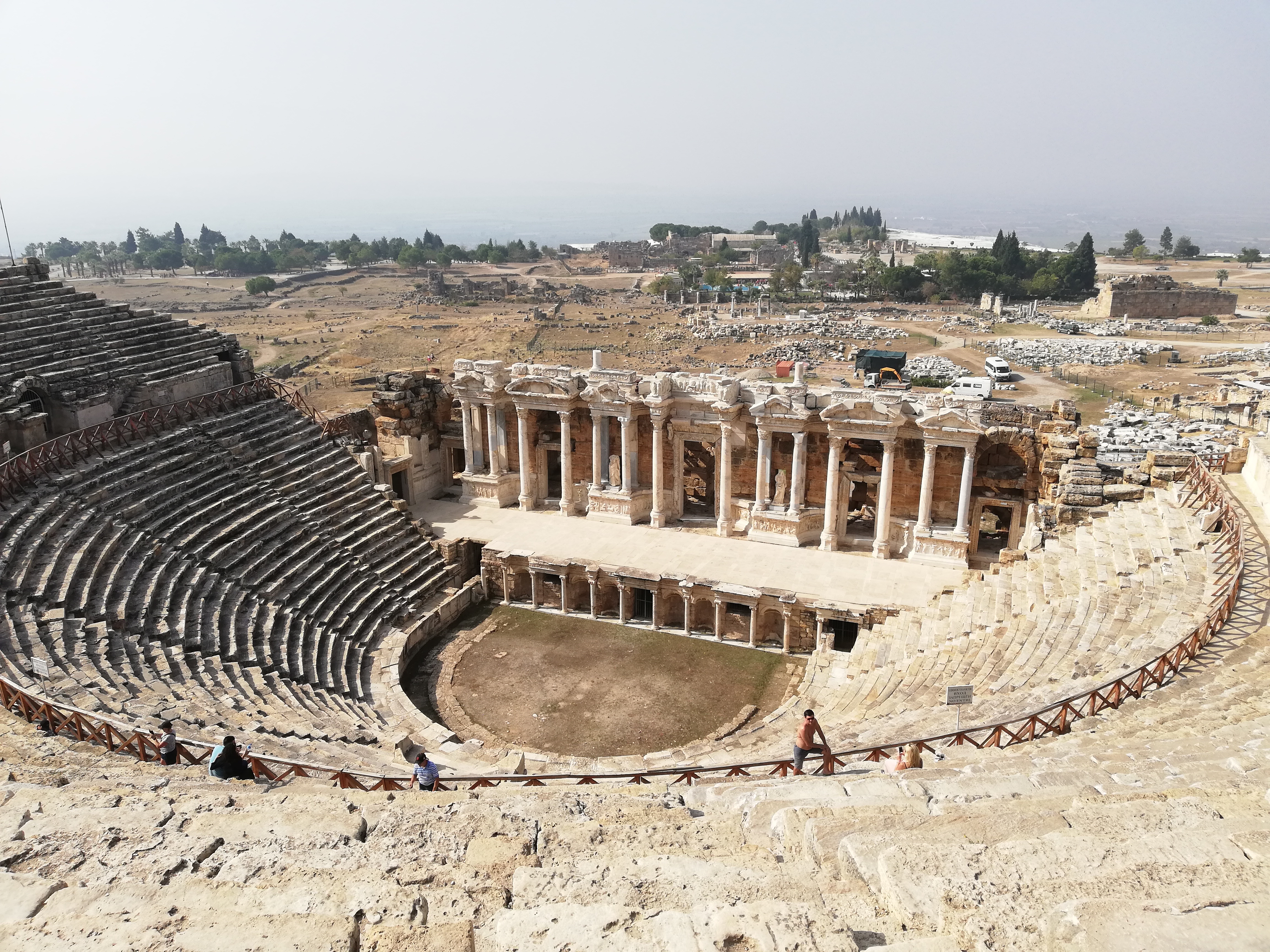
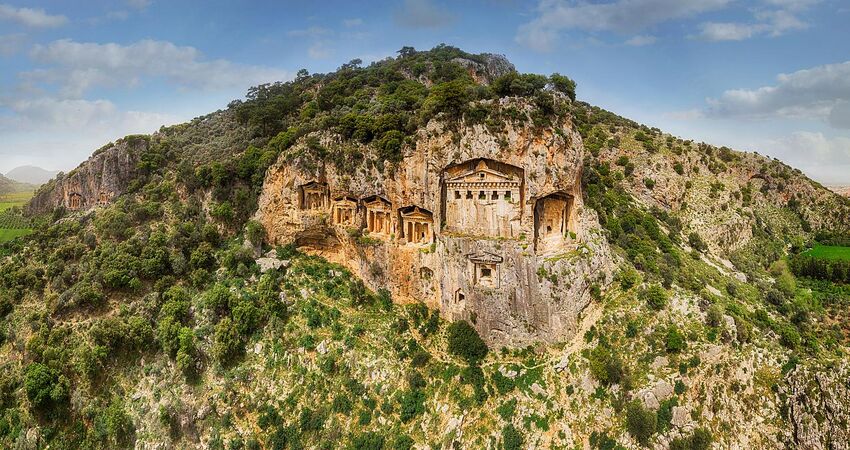
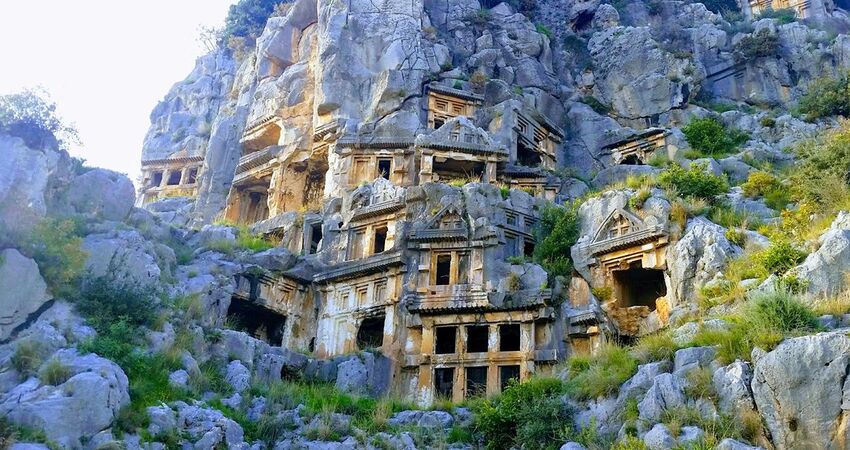
was one of the six prominent cities of Lycia, the tekke peninsula today. Lycia and the Lycians are not well known by many people. They were the oldest local settlers in the area that we know of. They were tough fighters and one of the very first people we know of, to form a league of city states, the Lycian League, to defend themselves against the invaders. It has been an important city during the Roman period and a very important city during the early Christian and Byzantium period. The ship carrying the captive St. Paul went via Myra to Rome and St. Nicholas was a bishop here in the 4th C AD. The inhabitants moved out about 7th century due to earthquakes and the silting of the harbor by the river Myrus. There is a good collection of rock tombs which represent characteristics of the Lycian culture at Myra along with the Roman Theater and the Church of St. Nicholas. The numerous rock tombs give us very important clues of what the Lycian houses and monuments looked like. For example even though they are carved out of rock they reflect wooden beams, doors, windows and many other aspects of Lycian buildings. The Lycian sarcophagusâ?T and other tombs are also very unique and characteristic of the region and of the people. The Roman Theater is in fairly good condition. The center of the cavea rests on the rock. The stage building is in good condition. The architectural elements from the theater including the stone masks that lie all around inside and outside the theater. The rock tombs, the theater, the local present day life and the castle on the mountain all together offer a good picture of the old and the new side by side.
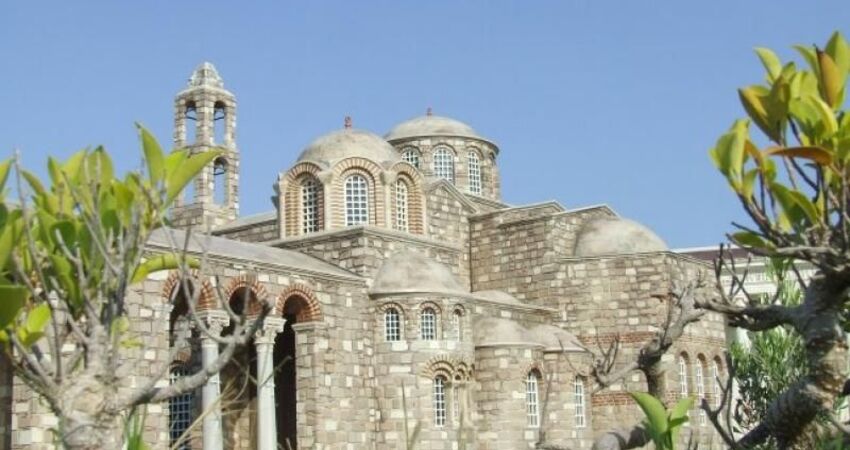
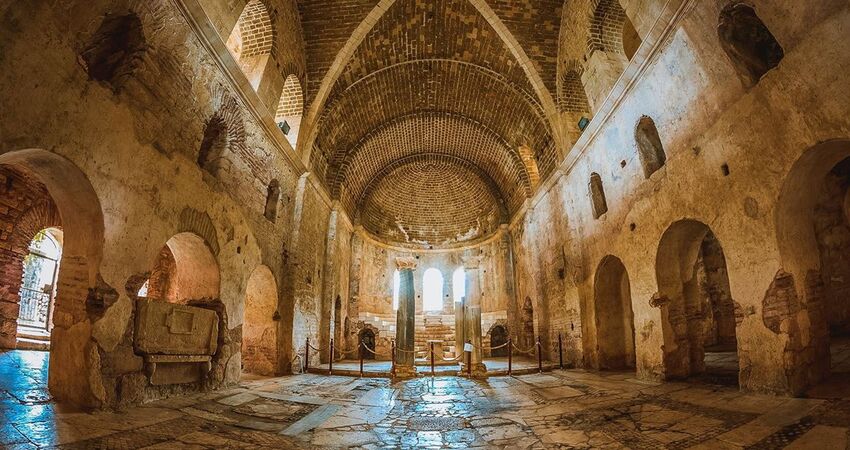
The church of St. Nicholas, now in the center of what is now called Kale, was probably built in the 3rd or 4th century. Now it reflects many alterations and it has been restored. Nevertheless, it is toured by many visitors from all nations and religions from all over the world that has come to see the church of St. Nicholas. St. Nicholas was born in Patara c 300 AD. He was from a wealthy family was said to have traveled to Palestine and Egypt. He was regarded as the patron saint of Greece, Russia, children, prisoners and travelers. By the late middle ages, 400 churches were dedicated to him in England alone. Santa Claus, of the children, was indeed running to the aid of those who were in need through out his life. His statue, with the bag of presents for the children and in company of the children, in the garden of the museum/church, now greets all. There are too many myths to relate about him but it is known that he was very influential in the early and medieval church. Myra with the church of St. Nicholas, the Roman ruins, by being near Kekova and other sites is an attractive place to visit. Indeed you can see visitors of all nationalities throughout the day.
PLEASE ASK FOR PRIVATE TOUR PRICE


 CZ
CZ HI
HI ES
ES IT
IT JA
JA KAZ
KAZ PL
PL PT
PT RU
RU TR
TR